Small Town. Big Life.

Make Cheraw your new home.

We're recruiting our next new neighbors.

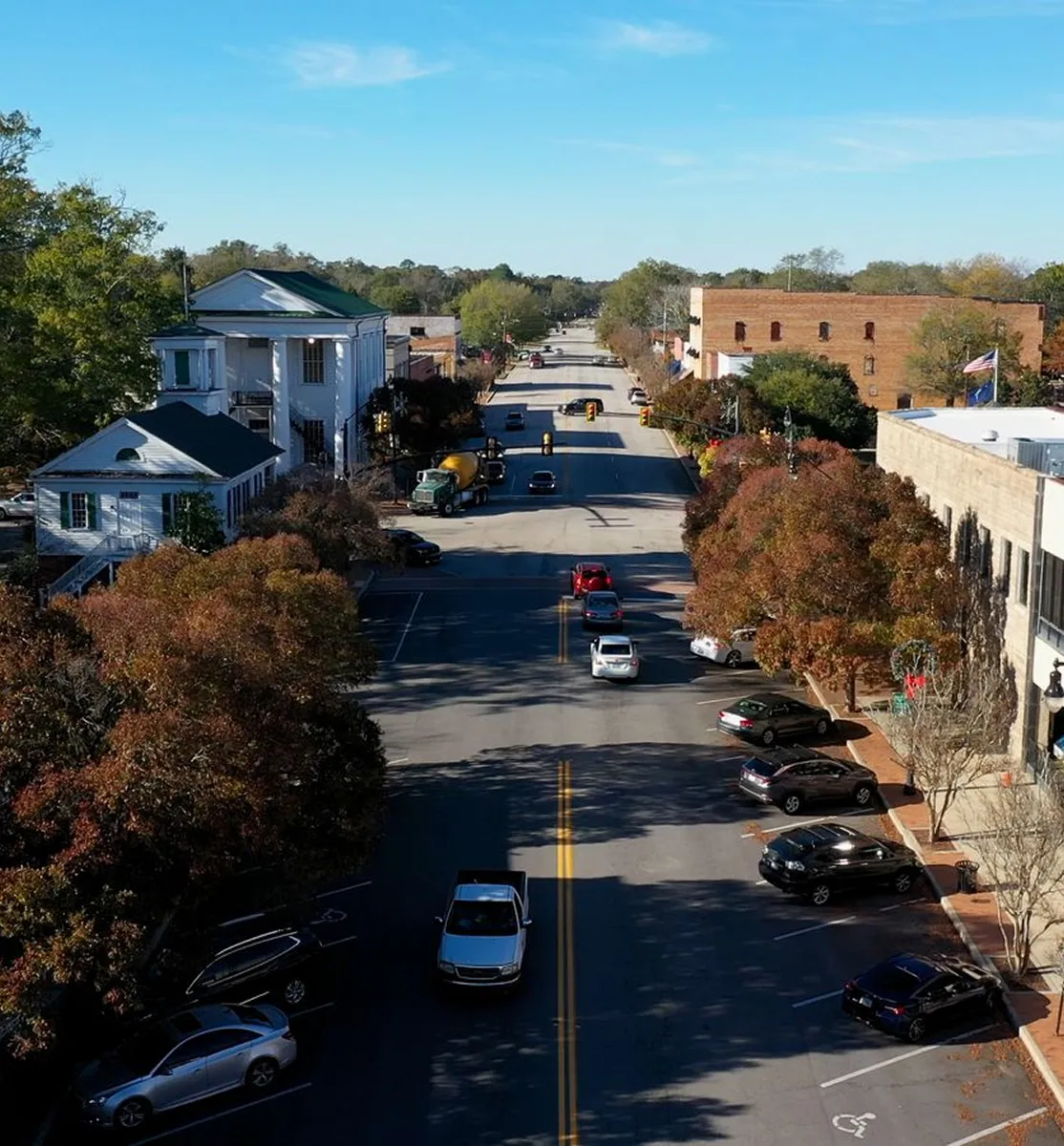
In Cheraw, we're building an active, engaged, connected community, and we're inviting people who share our vision to be a part of it. This is a place where downtown is walkable, dinner is local, and your kids' teachers know them by name. Apply, come spend a weekend with us, and when you make the move we'll connect you to the people and networks already here.

Cheraw has it all.

Experience everything

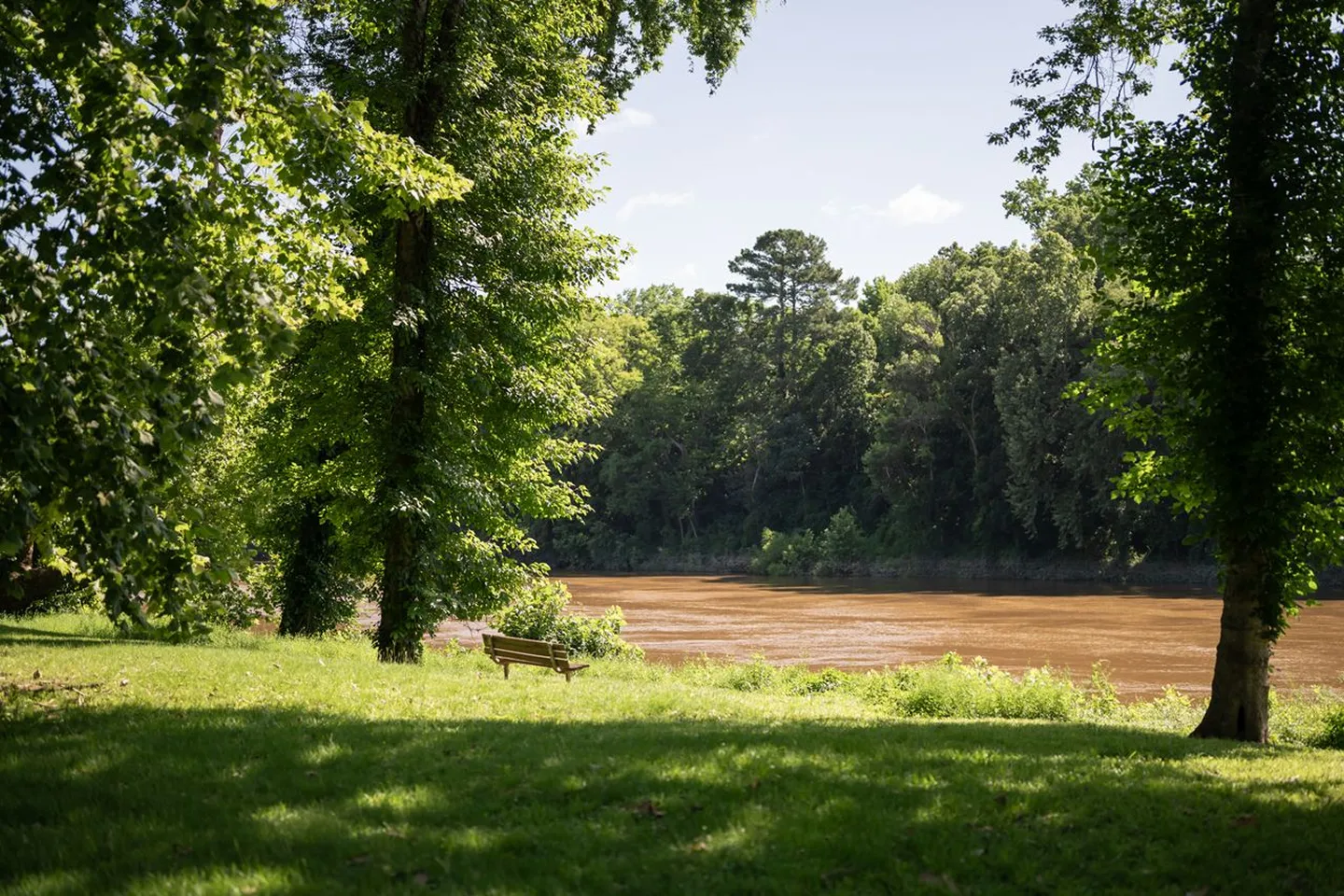
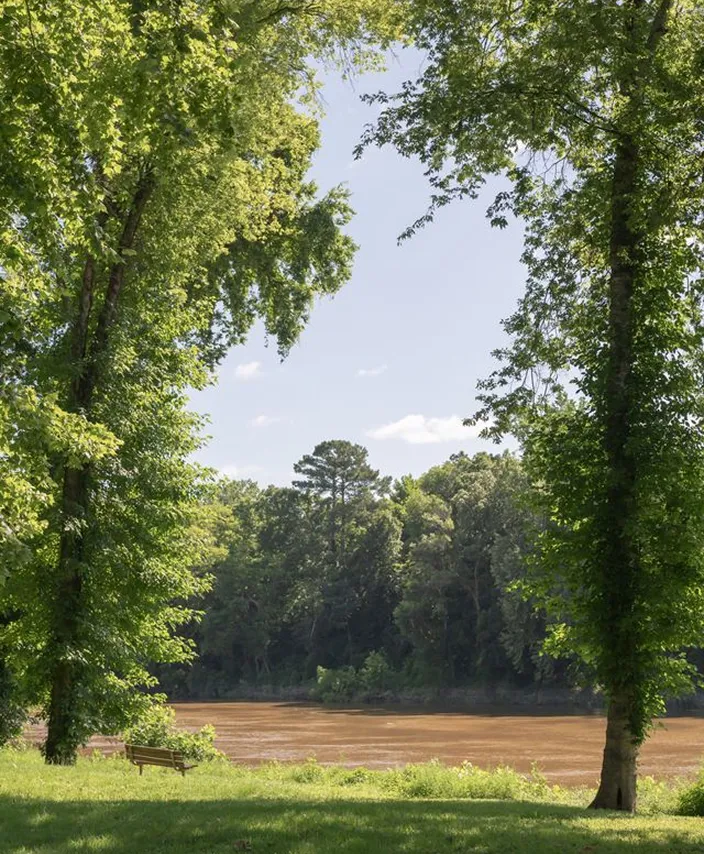
Painting, youth sports, pickleball, dance, fitness studios across town, and 7,000 acres of state park out the back door. Whatever stage of life you're in, there's more here than you'll get to.

Living in history

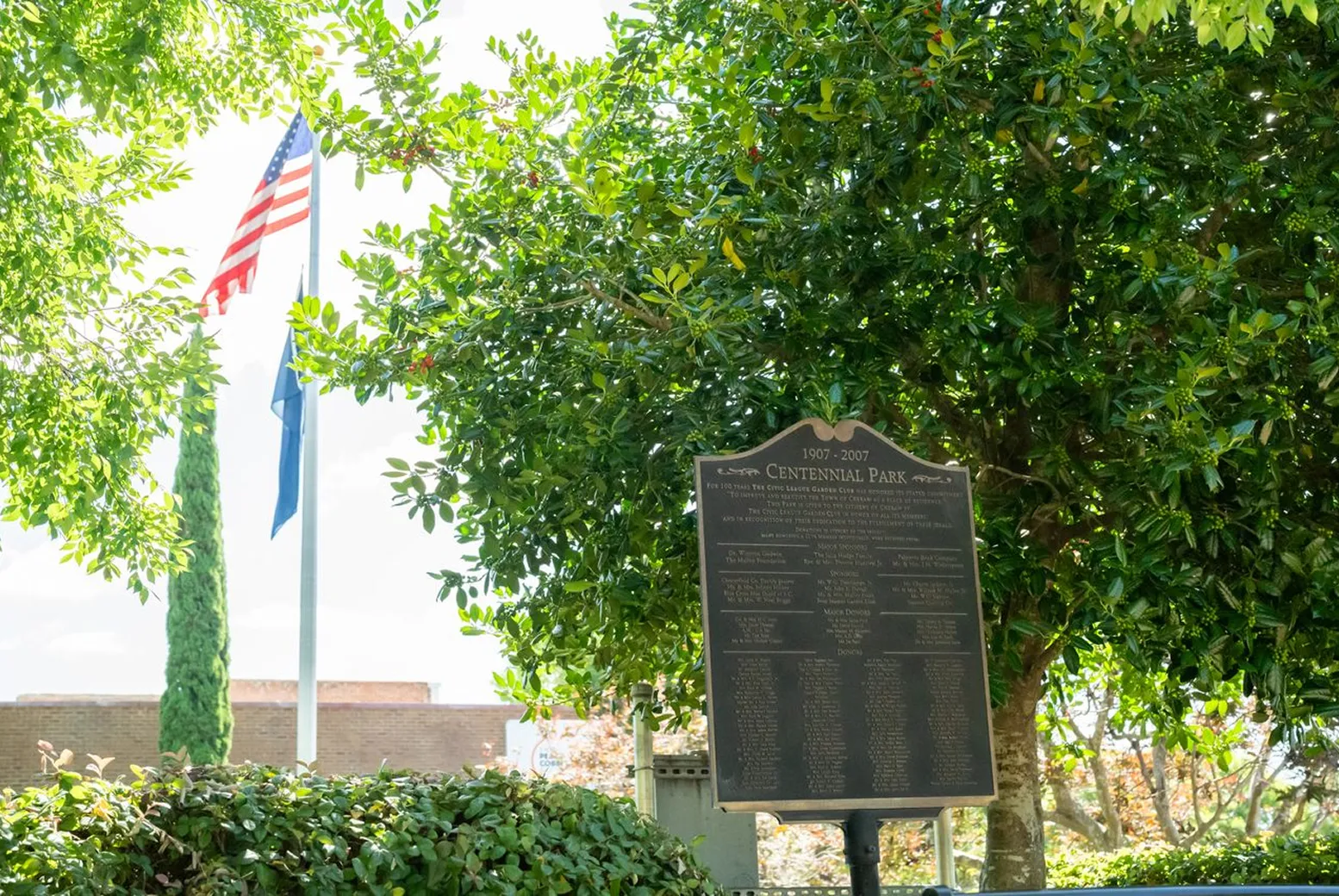
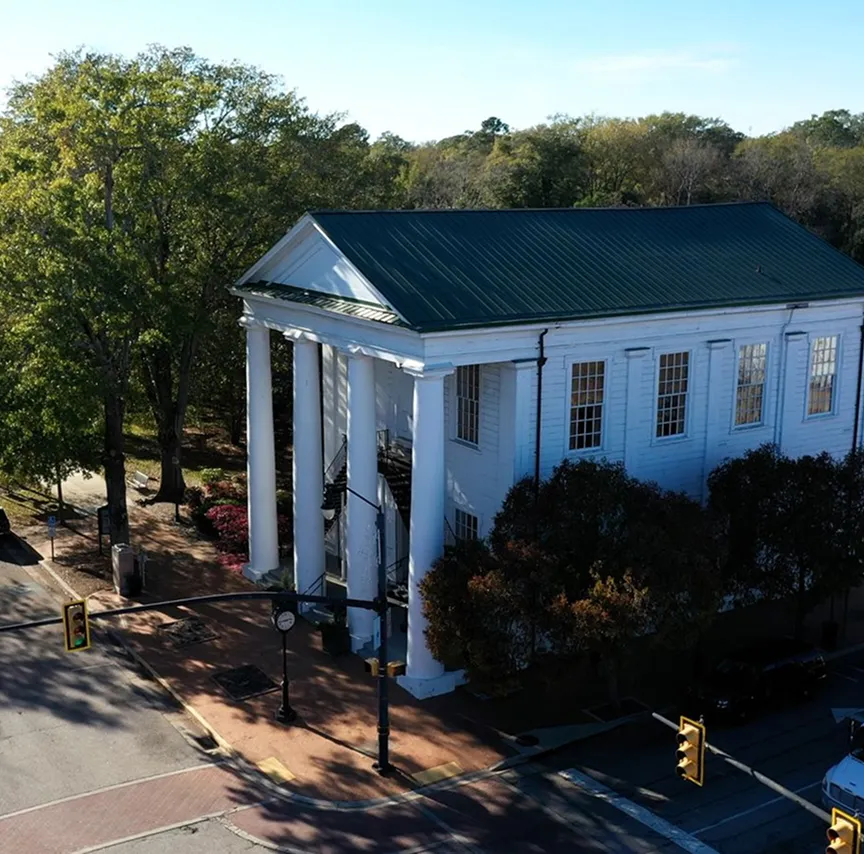
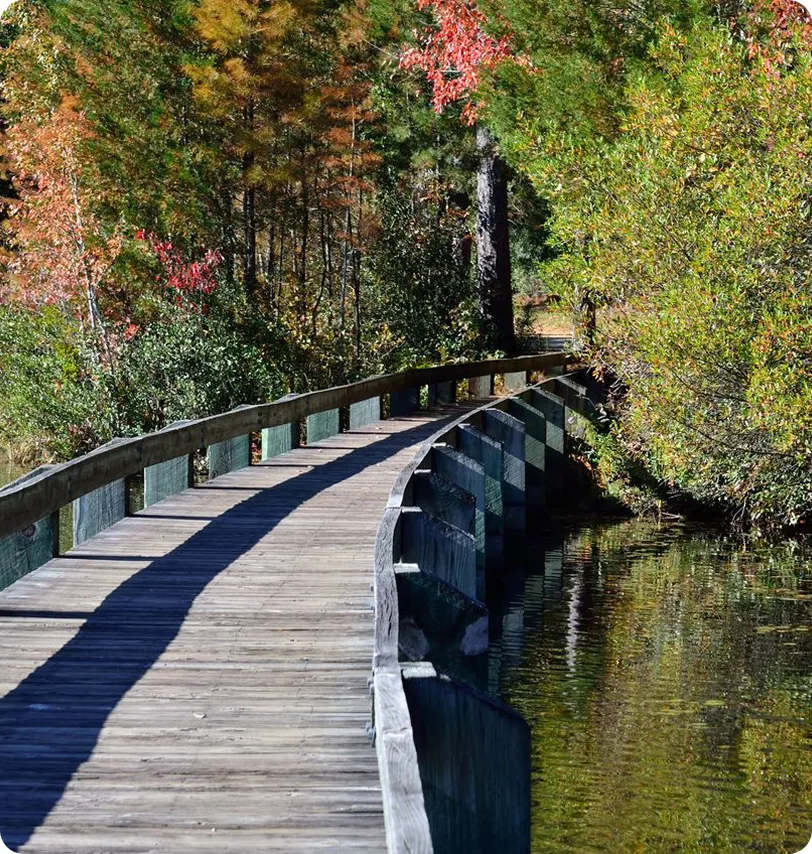
Build your future in a town where history is in every step. The oldest state park in South Carolina is your weekend. A church built under King George III is your backdrop.

Make an impact

Cheraw runs on people who show up. Open a business, join a board, coach a team, make an impact. The town has room for what you bring — and you'll see your fingerprints on it.

The Process

01

Apply & connect

Tell us a little about yourself and what you're looking for. A Cheraw ambassador will reach out for a real conversation — no pitch, just questions and answers.

02

Visit the town

Come spend time in Cheraw with your ambassador as your guide. Meet people. See neighborhoods. Eat where the locals eat.

03

Make the move

If it feels right, we help you land — connections, networks, and a community already waiting for you.

Ready when you are.

You won't land alone.

When you move to Cheraw, a resident ambassador helps you find your footing. They introduce you to the people, the places, and the rooms it would otherwise take you a year to find on your own. Coffee on day one. A friendly face from the start.

Discover Stories.

Real people who made the move. Meet the families, founders, and professionals already calling Cheraw home.

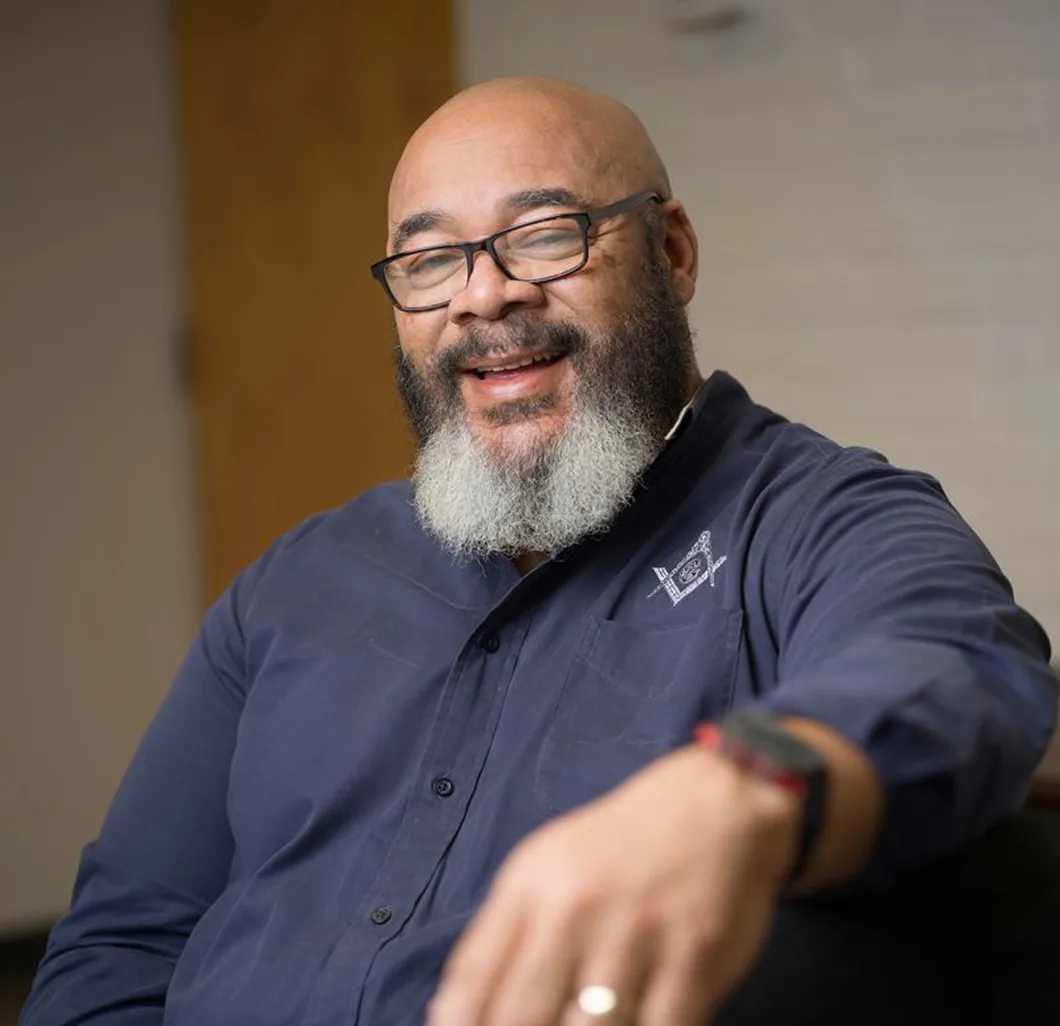
James Dixon

The officer who put a mentor in every school in the county.

"Being a law enforcement officer is about making connections in your community. It’s aboutbeing a mentor to young people. I’ve spent a lot of time going in and out of schools throughoutmy law enforcement career—speaking at schools, reading at schools, and being a part of theeducational system. When kids see a positive role model, they’re more likely to want to makechanges in their lives because they can see the outcome. I was able to work with our schooldistrict and provide resource officers for all the schools in Chesterfield County.

Small towns are more neighborly. You get to know people. On Sundays after church, if one ofus doesn’t cook Sunday dinner, we head to either The Shed or Country Kitchen. We sit around,see people we don’t see every day, have good food and good conversation, and then go homeand chill out for the rest of the day. When you go to Walmart, you might stand there and talk foran hour to somebody you know. You don’t get that in the big city. You live in a neighborhoodand don’t know half the people. You might not know who lives across the street. But where welive, out on the outskirts of Cheraw, we’ve got good neighbors. We picked a good place. We’vegot two German Shepherds. One neighbor feeds the dogs sometimes when we’re gone. Mysister built a house behind me — she lets the dogs out so they can run in the backyard if we’renot around. Cheraw’s got that wholesome feeling a small town brings.

I grew up here and still have friendships and relationships I’ve built throughout my lifetime. Iused to walk to school with a group of nine boys from my neighborhood. We try to get togetherevery now and then to reminisce about growing up.

I could have left and gone anywhere, but I wanted to stay here. I think Cheraw is a great placeto live and raise a family."

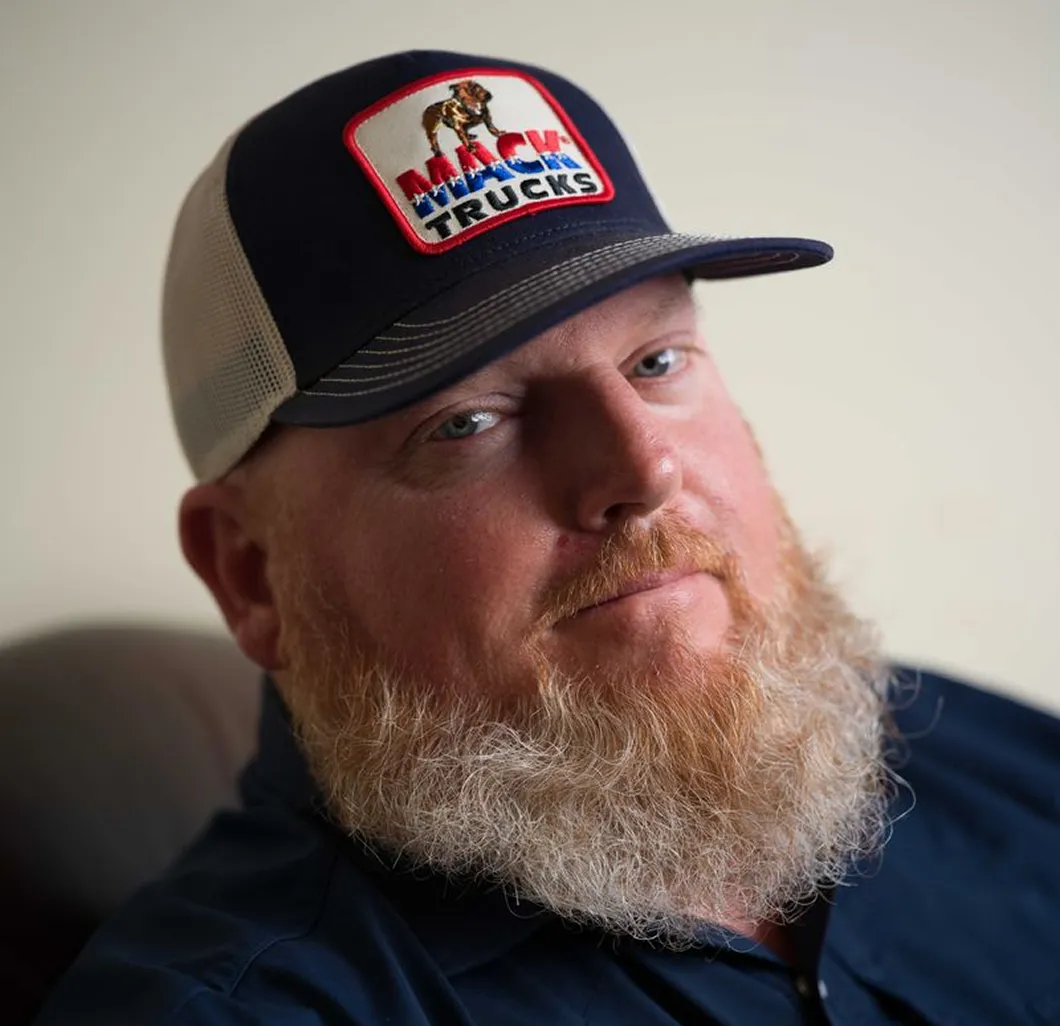
Jeffrey Furr

The paving contractor who fronts a band on weekends.

"My father incorporated Furr Grading and Paving in 1970. Before that, back in the early 1900s, it was a sand and gravel company and they ran up until the Depression. Then everything kind of petered out, and nothing was done with the property until the mid-’60s. My dad bought it and set up a sand and gravel business, started mining again, selling sand and gravel for concrete, asphalt, and other various things. That’s where it all started, and here we are today doing complete site work, everything from storm drain all the way up to asphalt and curb and gutter on big projects. 

Growing up, the business was life. When I was old enough to hold a shovel, I was working. There were times I wanted to run away, especially in the middle of the summer. But as I got older, it became more of a challenge I wanted to meet. There is a legacy to uphold and I want to do that. I like to see things carried out that my father had a vision for. I try to do things his way, but my way, too.

What I love about this business is it’s rewarding. It feels good whenever you’re done with a finished product to stand back and say, ‘Hey, I built that.’ Places I ride by every day, I can look at and say, “Hey, I did that.” Being from here, I make sure my work is top-notch, because it’s my name on it. We work for the public, so to speak. We do some private sector work, some work for the county, a lot of road work. When you go into these dirt roads that have been muddy and nasty their whole lives and you pave them, people come by and say thank you. It’s pretty cool.

Besides the business, music is a big part of my life. In fifth grade, we all had to try out for chorus. The principal, Mr. Jerry Hicks, was also the chorus instructor. So, I did my tryout with Mr. Hicks and went home. That night at dinner, my mom said that the principal had called. My dad put his fork down. She said, ‘He said he’s the best singer in school.’ My dad was a big Elvis guy, did impersonations, played guitar and had a band, so he was pretty proud. My mom said, ‘You’re singing in the chorus.’ 

I said no. 

She said yes.

Fast forward a bit and I didn’t sing much, just karaoke randomly. I was singing karaoke in a bar, and a guy, Darryl Gainey, came up and asked what band I sang with. I said I didn’t. 

He asked if I wanted to. 

I said no. 

I’m not a late-night guy — I like to get up and hunt and fish. But he said, ‘Just think about it. Learn three songs, get up and sing with me.’ I did. Next thing you know, we did a set, then two sets. Then people were messaging me wanting to book the band.

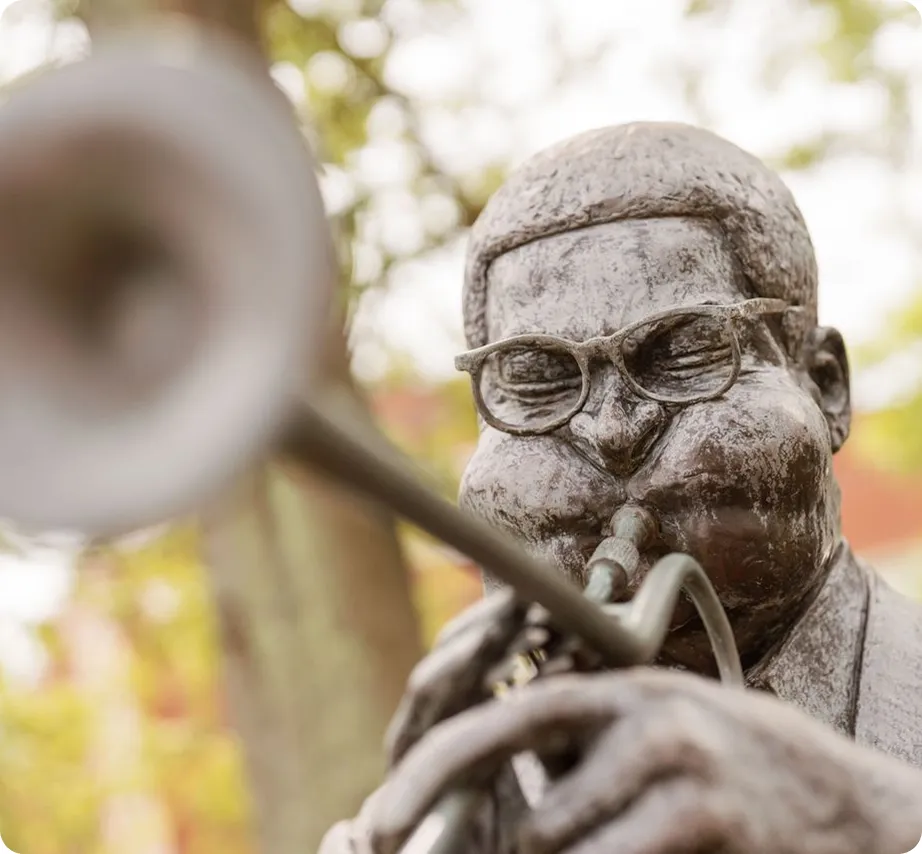
We came up with the name FGH — my last name, Furr, his was Gainey, and the drummer’s was Hicks. We started playing locally, then at the beach and in Charlotte. It picked up steam. It’s been fun, though sometimes it’s trying—working all week, then going to the beach to play. But when I’m up there on stage singing, I don’t think about what’s going on. I don’t think about bad stuff. Music takes me away from everything for a little bit.

I like that I get to live on both sides — running a business that’s important to the community and then playing music for them, too. My love for Cheraw really boils down to the people. I’ve got a lot of friends here, a lot of people I look up to. The kids at the rec department — I love seeing them grow up and succeed.

I’m a small-town guy. I’ve lived in Charlotte, went to school at Clemson, but I don’t like that environment. Here, I don’t even have to go through a stoplight to get to work. Big cities can be lonely. You’ve got all these things to do, but nobody knows who you are. It’s a good feeling to walk into a local restaurant and people recognize you. You go into a store, you’re going to see somebody you know no matter where you go. My wife says we can’t ever sit down because I’m shaking hands with everybody.

I think what we all long for is home. People that leave home come back eventually.

For me, I’ve got everything I want right here."

Furr Grading and Paving

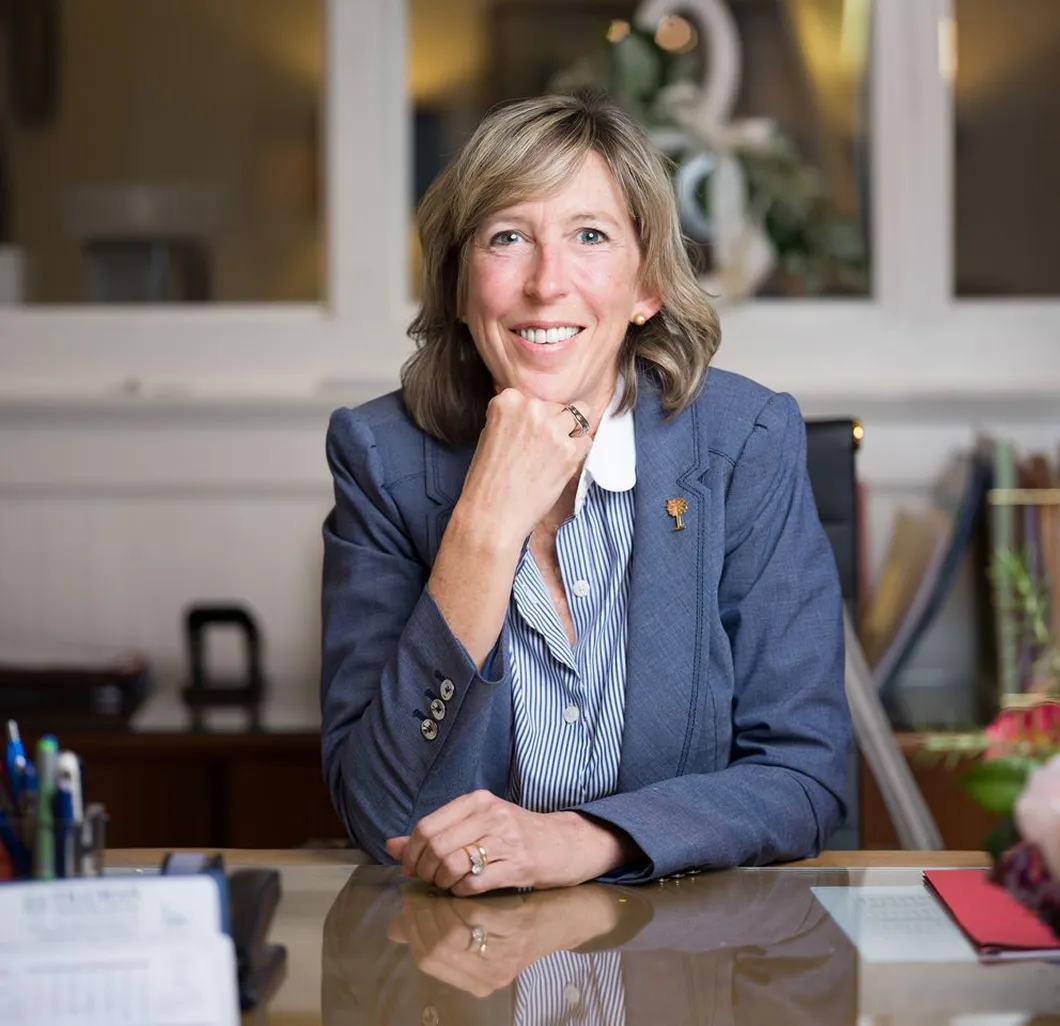
Mary Anderson

The council chair helping build a $60M hospital no one else would.

"I currently serve as the county council chair, represent our county at the state level, and I'm the president of the State Association of Counties. I also serve on the regional hospital board and my first vote on the board was whether or not to acquire the Cheraw hospital. Financially, it didn’t make sense. Rural medicine is not where the money is right now, but if you want to talk about people making things happen, know that our doctors in this community are the ones who made it happen. They met at Dr. Novinger's house, and it wasn't just one or two — it was all of them. They said to our CEO and our leadership, ‘We are committed to being here. We will push a mop. We'll do whatever you need us to do at that hospital, but please do not let this die.’ 

After our leadership heard that and how committed they were to caring for this community, my fellow board members voted unanimously to acquire the Cheraw hospital.

But recently, a problem was discovered with the envelope of the hospital — about $12 million to take all the brick off and reassemble it — so it came before our board: do we repair the envelope, do we lose the hospital, or do we build a new facility?

At a time in health care when there hasn’t been any new rural hospitals built since 2000 — and since 2020, I think we've lost six across the state — that's a hard ask. At that time it was over $40 million, now it's over $60 million. But my fellow board members voted to move forward, and I'm so thankful for that because I know how important great healthcare is to this area. We're going to build a $60-plus million hospital in rural South Carolina when it's not being done anywhere else. That's how committed this community is. People see the value in Cheraw. We have some of the lowest turnover rates and some of the greatest achievement numbers, and that's happening right here. We just broke ground, and we’re hoping construction will be complete in a couple of years.

But it's not about the building. It's about people who genuinely love to be here. 

We have wonderful community events, like trick-or-treating downtown. One time, a mom needed a restroom for her child, and I handed her my office key. She couldn't believe it. But it's what we do here in Cheraw. Anyone would have done that. It's small things like that — trust, ease, helping each other.

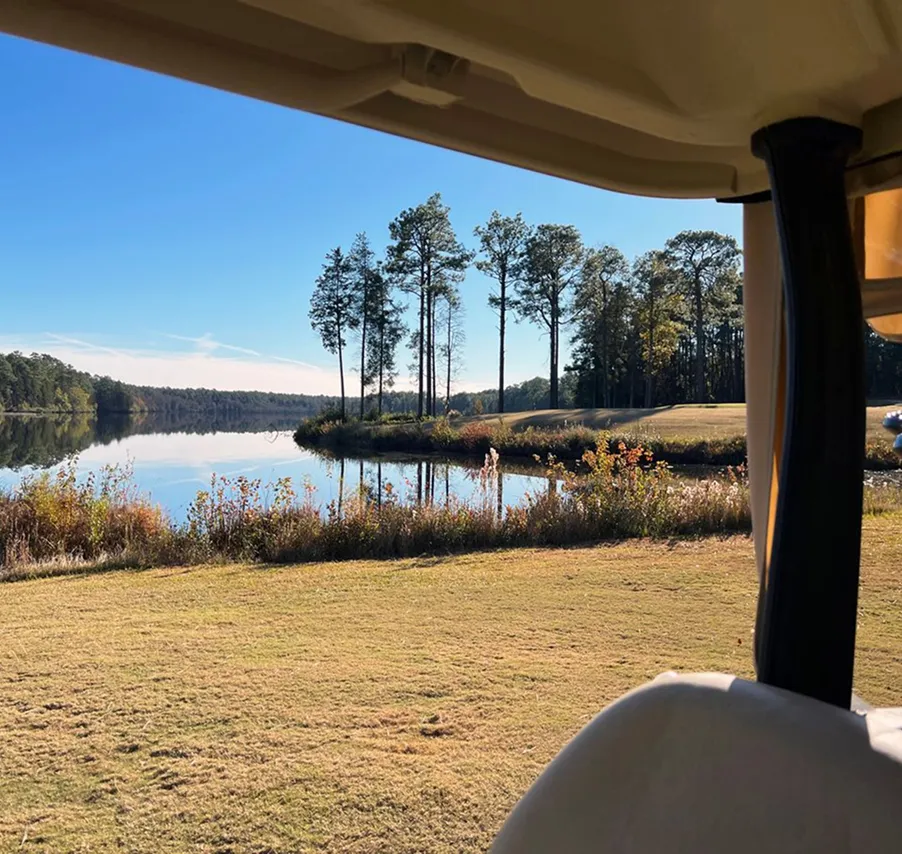
We also have a diversification of opportunities. Within our county, we have a national motocross training facility. Our state park was the first in the state. We have great golf, camping, and equestrian. We have sports, history, and even archaeological digs bringing people in. 

When you're in a small place like this, you have the opportunity to get to know people of different ages and stages in ways you wouldn't elsewhere. I have many retired friends who bring so much value through their experiences and knowledge. If you put yourself out there, you can build relationships across generations. You run into the same people at the park, downtown, or at restaurants and build connections. 

There's so much ordinary greatness around us. The yoga studio, for example — they became Business of the Year because of relationships. Their clients advocate for them because of the impact they've made.

There's so much happening here — resources, industries, community life. I love Cheraw’s history and the present. It's the music, the land, the sports, the people. I encourage people to see everything that's here."

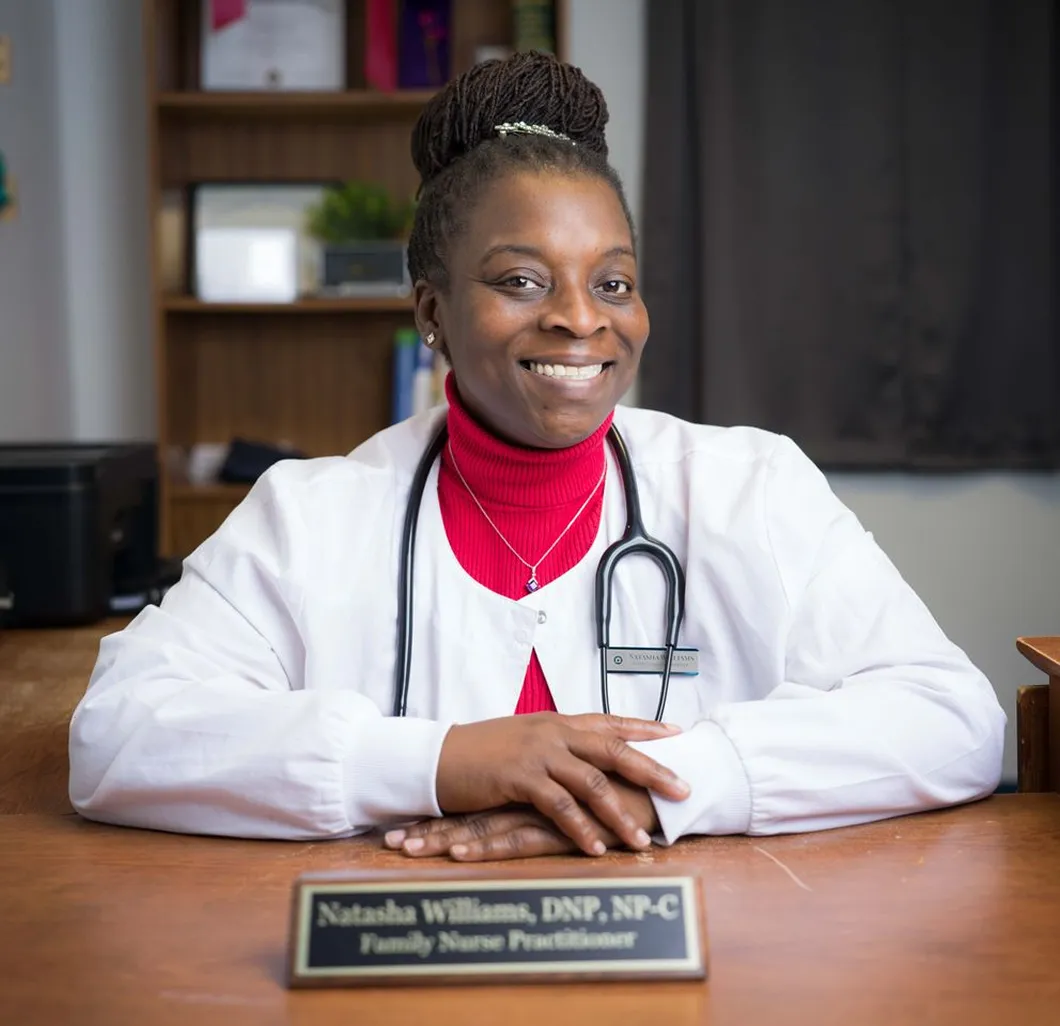
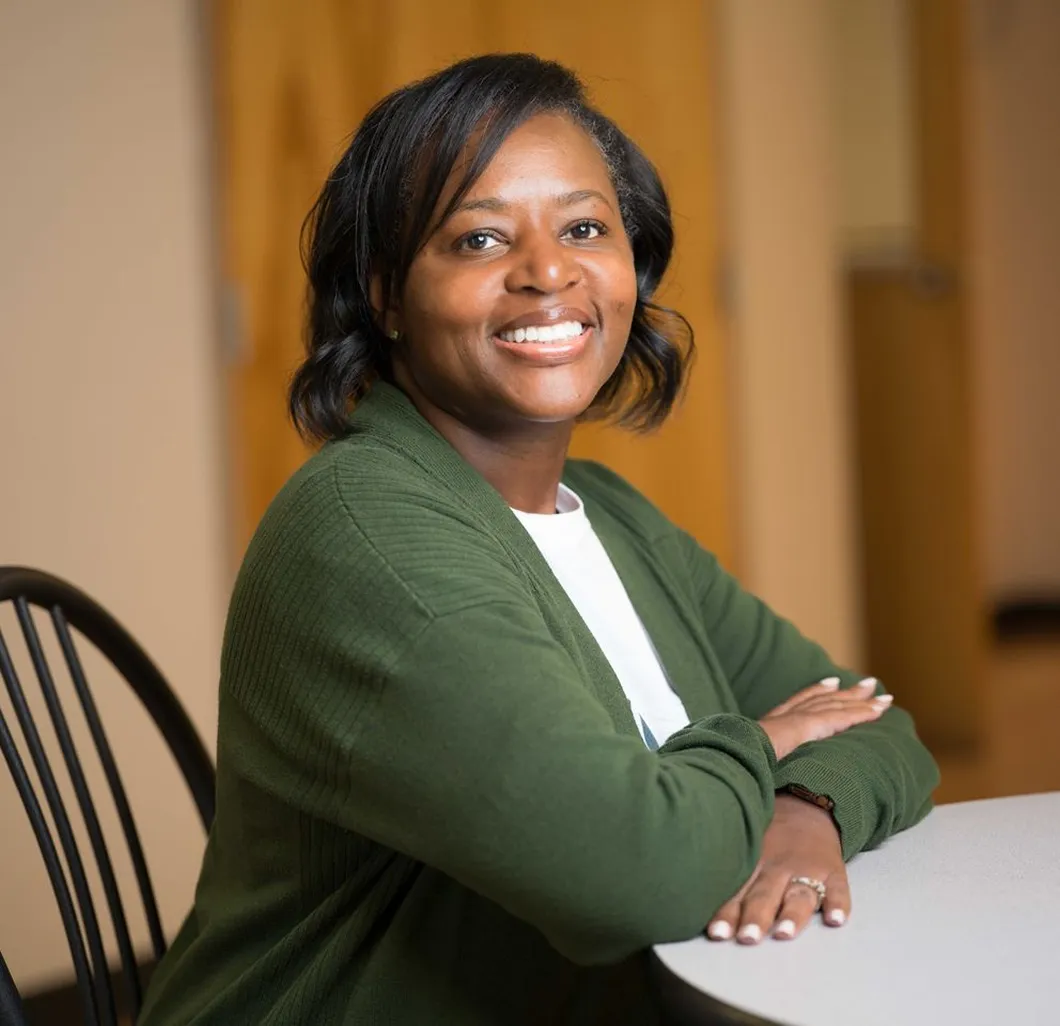
Natasha Williams

The nurse who started at 16 and opened her own clinic.

"Williams Health is primary care. I believe I am the first African American woman to open a medical practice in Cheraw, and the first nurse practitioner to do so. It just felt like what I was supposed to do. I was raised by my grandparents, so I grew up taking care of older individuals and knew early I wanted to be a nurse. I started out as a patient care assistant when I was about 16 years old, and later was certified as a CNA, and then RN, and then ADN. I also received my Bachelor of Science, Master’s of Science, and Doctorate of Nursing Practice.

From the beginning, I knew I wanted to open my own practice. I wanted to take a holistic approach — not just looking at medicine, but looking at the whole individual. Nursing itself is both an art and a science. You can know everything in the book, but the art is knowing how to use that knowledge. I also saw that people needed to be understood and listened to. It’s a stewardship position, and being able to relate to the people that I serve.

Opportunities in small towns come from stewardship. If you grow in a community and see the barriers, you have the opportunity to fix them. Instead of complaining, what are you going to do about it? Be proactive. I didn’t expect it to be easy, but I knew my purpose. Starting a business here, the town was helpful. They told me about grants and resources, then this space became available. The landlord was amazing — asked what I needed and worked with me. In a rural area, you have to partner and work together. We opened March 17, St. Patrick’s Day last year. We’ve grown, faced expected barriers, and my patients have been loyal.

What I love most is the freedom God gave me to care for people and knowing what they need. It’s not always physical — sometimes it’s mental, emotional, spiritual. Faith is important here. People believe God will heal, and I do too — but don’t overlook what He sends to help you. Cheraw has been a blessing to me. I like the history, the growth, the culture of the African American community. I don’t look at growth as becoming big. I look at it as molding the genuineness of it, the smallness of it, the integrity and honing that in. That’s what makes us special. We’re rural but centrally located: an hour from Florence, about an hour and a half from Charlotte, 15 to 25 minutes from Rockingham where you’ve got access to rail systems and Amtrak. It’s a jewel. 

At Williams Health and Wellness Clinic, everyone is welcome. I can meet people where they are, no matter their situation. I don’t care who you are — how can I help you today?”

Williams Health and Wellness Clinic

Ova Brown-Gillespie

The mom and educator who stayed for the town, not the salary.

"At Chesterfield County Adult Education, we help individuals who are 17 years of age or older obtain a GED, high school diploma, or a workforce readiness credential.

Our primary program is the GED high school diploma completion. We have registration at our three sites — Cheraw High School in Cheraw, Palmetto Learning Center in Chesterfield, and Central High School in Pageland. We bring individuals in and help them either obtain their GED or finish the requirements for their high school diploma.

We also offer programs to assist people in entering the workforce, obtain a promotion, and with workforce readiness skills. We have WIN testing, where we partner with SC READY and allow people to come in and take their WIN readiness test to earn their Work Ready credential. We have also started offering the ACT WorkKeys assessment. 

We have what we call an IT program in healthcare, so we help them get introductory skills to go into the healthcare profession. We hope that after they leave us, they’ll transition to either a technical college or a four-year school. We are starting an entrepreneurship program that will teach the skills needed to run your own business.

We also have workplace literacy programs. We offer the ParaPro credential for individuals who want to be aides in the school district, and ServSafe Food Handler and Food Manager for individuals who want to go into culinary arts. We offer a program in cybersecurity and AI because a lot of businesses are starting to incorporate AI. People who haven’t been in school in a while need to come in and get a refresher. We are currently working on an IT program in building construction. We just recently got a grant for that, so we are putting all of the pieces in order so that we can offer that and help people enter the construction industry with credentials. They’ll have NCCER Core, OSHA 10, and a few other things.

I am a mom, so the most important thing to me is the community. We have a good educational system and I love that my child enjoys going to school. I love that we have recreation programs where he can do sports and arts. 

When I became an administrator, I could have looked for a job somewhere else, but if I can’t drop my child off, pick them up, and get them to practice, money can’t replace that. It’s the comfort level here for me. It’s knowing people — if I had an emergency, I could call someone to pick my child up. That’s how Cheraw operates.

What I love about this community is the people. Everybody feels like a cousin. It’s a hometown vibe. You feel like you have friends everywhere. I like knowing everybody and building relationships that last forever.

For families, it’s a great place to live."

Chesterfield County Adult Education

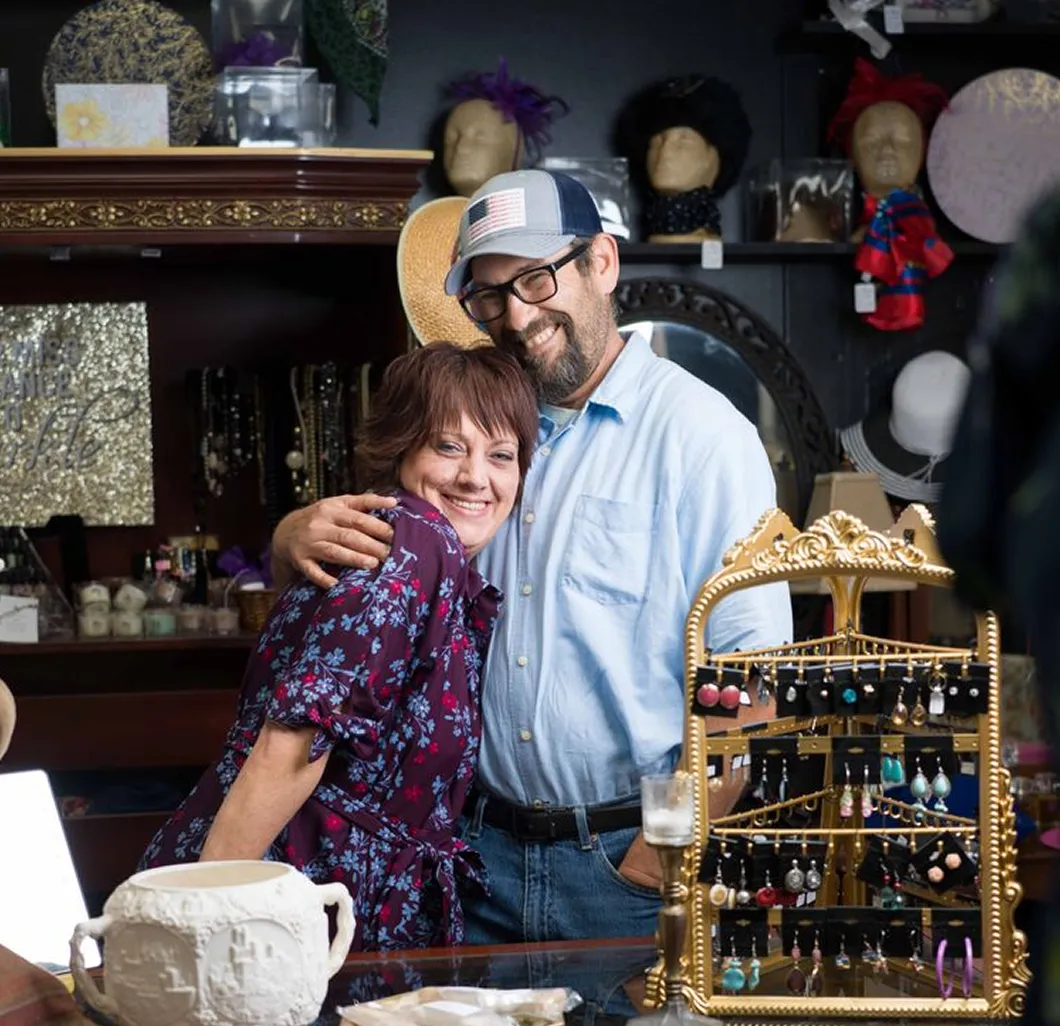
Trish Leviner

The couple whose thrift shop became the town's living room.

Octobers Own came together fast, the way things do when the time is right. But the story of this new business in Cheraw begins when things went wrong: Trish Leviner got sick. 

"When you see your future in black and white, you don't see it as one more day," she says. "You see it as one less day, and you better hope you did something that brought you joy."

What brought Trish and her husband, Anthony, joy was thrifting. She grew up in her mother's consignment shop, so the instinct was genetic. When the opportunity for the storefront came up, a series of events hinted opening a thrift store of their own was the right move. "Every move we made just felt meant to be," she says. “When you get sick, you laser-focus on your priorities, and that’s what this store is.”

Octobers Own opened last September. It’s a fun and funky thrift shop — a bit upscale without being pricey — that carries a bit of everything. For example, a recent consignment haul came from the wife of an ambassador leaving the country and included items from all over the world. “You’ll find neat stuff you wouldn’t find anywhere else, and it’s always changing,” Trish says. “When you come back the next time, the store will be totally different.”

Anthony describes watching his wife walk into her store for the first time. "To get up in the morning and see her smile because she's coming to her store — it doesn’t get any better than that," he says. Anthony has worked in vinyl and cement siding for 25 years. The hours are dark to dark, so the shop is where he and Trish find each other during the week.

"We use the store as our time together," he says. As it turns out, people in Cheraw are using the store to be together, too. “We're known as being a gathering place for people a little bit left of center,” Thrush says. “We love what we sell here, but it’s more about people coming together as part of the community. The ‘weird’ people have found their home here, but we also have people who maybe have a touch of weirdness, but might be a little bit afraid to let that shine.”

Trish is a city girl by upbringing. Where she grew up, you could take the same route to work for twenty years and never see the same face twice. Small towns were an adjustment. People here know things: your schedule, your name, which car is yours.

And she wouldn't change it for the world.

"We have regulars who just show up to talk," she says. "A deputy will take her lunch, walk down here, pop her head in, say ‘hey’, and go back to work," Trish says. "A young lady up the street at the bistro will swing by on her break just to stand and talk." She shakes her head a little, still a little amazed by it. "That's what I love about living in a small town."

Anthony agrees. “I don’t have friends here,” he says. “I have family. You don’t feel that in a big city.” 

That feeling of family extends to the other businesses in town, too. She made coupons — "Trish tenders," she calls them—that she trades with another shop down the way. “The idea is to keep people moving between stores, to make the whole street a circuit rather than a destination,” Anthony says. “We send people to every store. We collaborate, we help each other — it's a real community.”

"I get the appeal of online shopping," Trish says. "But we want to keep money local, and there's something special about coming in, seeing someone’s face, asking how your grandson's game went — because I really want to know."

Running a business alone means getting in your own head, and Trish will admit the pressure sometimes makes her want to stand still. Anthony doesn't let her.

"He's my guiding light," she says.

Anthony doesn’t hear what she said — he’s off talking to a customer, giving them a list of places they didn’t know they needed to go.

This is Cheraw.